Research Blogs
The double intertropical convergence zone (ITCZ) bias remains a persistent problem in coupled general circulation model (CGCM) simulations. Due to the strong sea surface temperature (SST)‐convection relationship in the tropics, precipitation biases are sensitive to background SST. Using historical simulations of 24 CGCMs and an...
Continue Reading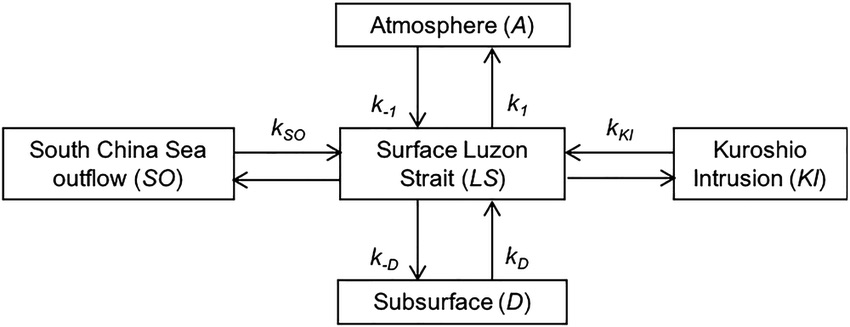
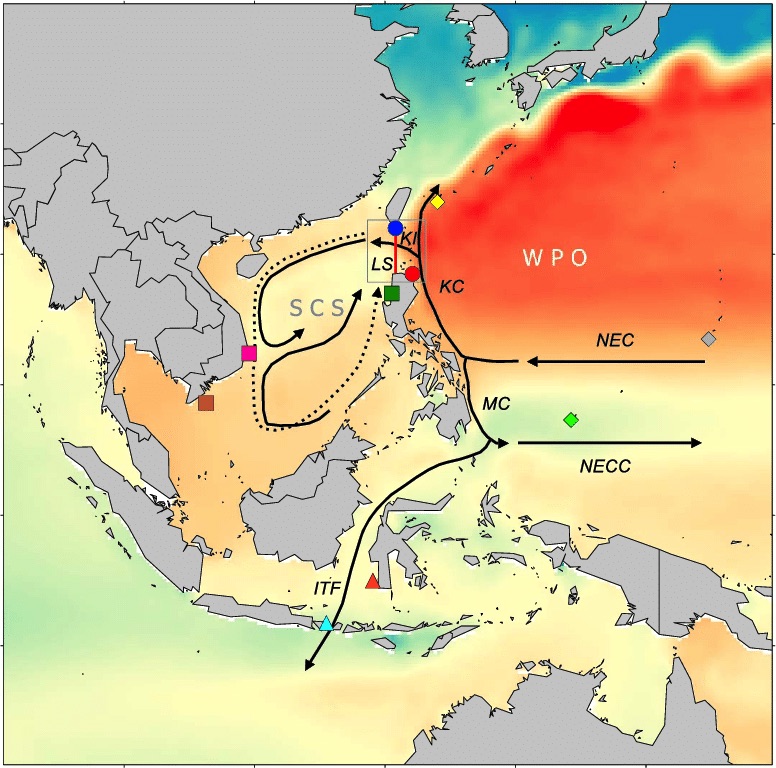
The Luzon Strait (LS) hosts the largest transport of water between the Western Pacific Ocean (WPO) and the South China Sea (SCS). The transport through the strait, dominated by the westward propagation of the Kuroshio Intrusion, influences the climate and circulation of the SCS. While numerical models have investigated the...
Continue Reading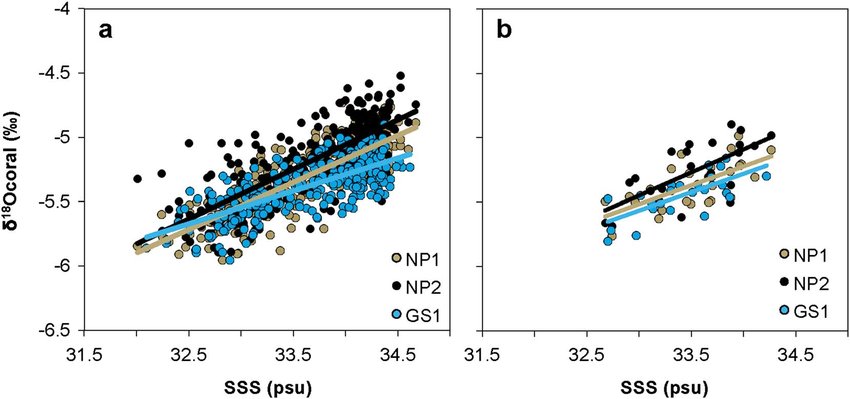
The Indonesian throughflow (ITF) impacts heat and buoyancy transport from the Pacific Ocean to the Indian Ocean, influencing air-sea heat exchange and Indo-Pacific climate. Nearly 80% of the total 15 sverdrups (1 Sv = 10⁶ m³/s) of ITF water moves through the Makassar Strait in the western Indonesian seas, with ~20% of total ITF transport...
Continue Reading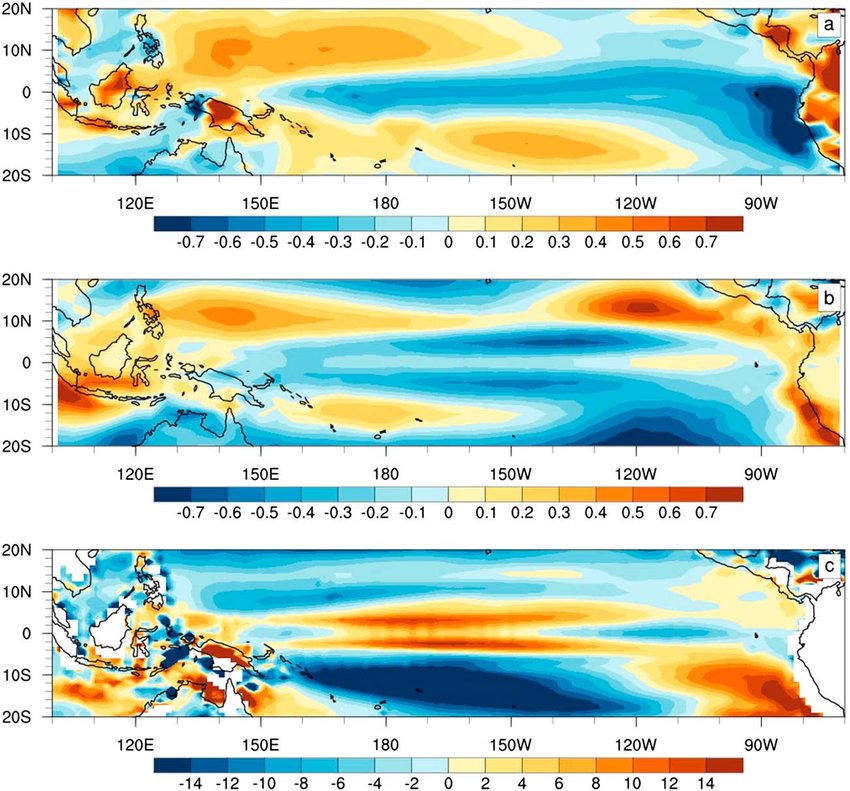
 Nathalie Goodkin, Dhrubajyoti Samanta, Kristopher B. Karnauskas, Lei Zhang
September 2018
256 Comments
Nathalie Goodkin, Dhrubajyoti Samanta, Kristopher B. Karnauskas, Lei Zhang
September 2018
256 Comments
Coupled general circulation model (GCM) biases in the tropical Pacific are substantial, including a westward extended cold sea surface temperature (SST) bias linked to El Niño Southern Oscillation (ENSO). Investigation of internal climate variability at centennial...
Continue Reading
July 2018
Before we can make a plan to protect our oceans from climate change, we need to know what they were like before human impact. We haven’t been collecting ocean data for very long, but luckily one ocean marine organism has been keeping records for millennia: corals. In this video, I show how looking at evidence of the past in coral records can help us to protect these organisms, and our oceans, for the future.